
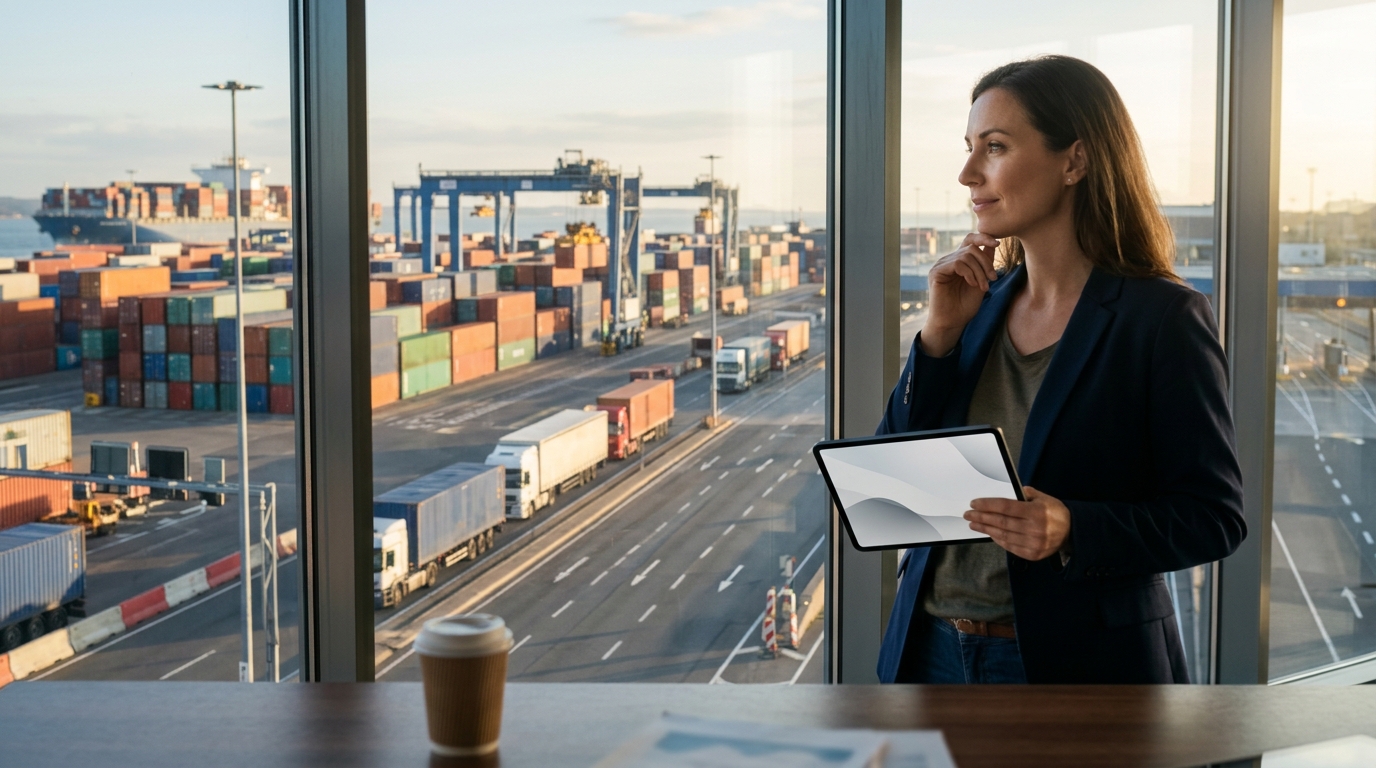
Global trade volumes have surged past $32 trillion annually, creating unprecedented complexity for supply chain managers. According to recent World Trade Organization data, delays at borders cost businesses billions in lost revenue each year. Navigating these regulatory mazes manually is no longer a viable strategy for modern enterprises seeking efficiency and compliance. (Contact Us)
Understanding Customs Basics
Customs clearance is the formal process of declaring goods to the relevant government authority for import or export. This procedure ensures that all duties, taxes, and regulatory requirements are met before goods enter or leave a country. Without proper clearance, shipments face significant delays, fines, or seizure.
For importers, the primary goal is to minimize downtime while maintaining strict adherence to local laws. Customs brokers traditionally handle this paperwork, but their manual processes often introduce errors. These errors can stem from misclassified items or incorrect valuation methods. As global trade regulations evolve, the need for real-time data processing has become critical for maintaining supply chain integrity.
Many businesses struggle with the sheer volume of documentation required. Bills of lading, commercial invoices, and certificates of origin must align perfectly. A single discrepancy can halt an entire shipment. This is where digital transformation begins to play a pivotal role in modern logistics.
HS Codes and Compliance
The Harmonized System (HS) is an internationally standardized nomenclature for classifying traded products. It is developed and maintained by the World Customs Organization to facilitate international trade. Each product is assigned a unique code that determines the applicable tariff rates and regulatory restrictions.
Accurate classification is the cornerstone of successful customs clearance. Misclassification can lead to overpayment of duties or severe penalties for underpayment. For example, classifying a textile item under the wrong code might result in a 20% duty rate instead of the correct 5%. This financial impact compounds over thousands of shipments annually.
Compliance also involves understanding preferential trade agreements. Many countries have free trade agreements that reduce or eliminate tariffs for specific goods. Leveraging these agreements requires precise documentation and proof of origin. Importers must verify that their suppliers meet the rules of origin criteria to claim these benefits.
Regulatory frameworks vary significantly across borders. What is permissible in one jurisdiction may be restricted in another. Staying updated on these changes is essential for avoiding compliance breaches. Automated systems can help monitor regulatory updates and adjust classification rules in real time.
AI Automation Benefits
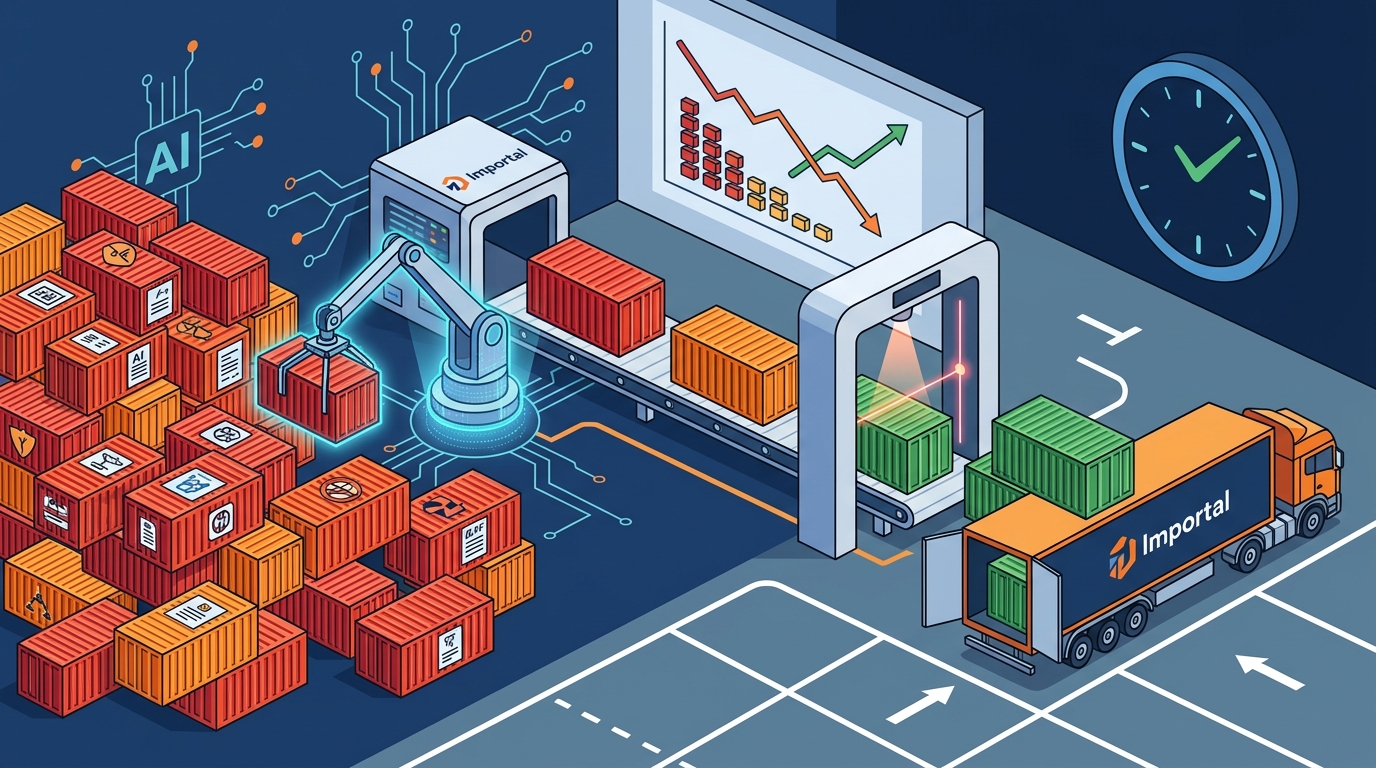
Artificial Intelligence (AI) has revolutionized the way customs data is processed. AI automation uses machine learning algorithms to analyze documents, classify products, and predict regulatory outcomes. This technology reduces human error and accelerates the clearance process significantly.
One of the primary benefits of AI is speed. Traditional manual classification can take hours per shipment. AI systems can process the same data in seconds. This speed allows businesses to clear goods faster, reducing storage costs and improving cash flow. According to industry reports, companies using AI-driven customs solutions see a 40% reduction in processing time.
Accuracy is another critical advantage. AI models are trained on vast datasets of historical customs data. This training enables them to identify patterns and anomalies that humans might miss. For instance, an AI system can detect a mismatch between a product description and its HS code instantly. This proactive error detection prevents costly delays at the border.
Scalability is also enhanced through automation. As import volumes grow, manual teams struggle to keep up. AI systems can handle increased workloads without additional headcount. This scalability is vital for businesses experiencing rapid growth or seasonal fluctuations in trade volume.
Cost savings are substantial when implementing AI solutions. By reducing manual labor and minimizing errors, businesses can lower their overall logistics costs. Additionally, fewer delays mean less demurrage and detention fees. These savings accumulate quickly, providing a strong return on investment for the technology.
Choosing the Right Platform
Selecting the appropriate customs automation platform requires careful evaluation of features and integration capabilities. The right tool should align with your specific business needs and technical infrastructure. Consider the following factors when making your decision.
| Feature | Importance | Description |
|---|---|---|
| HS Code Classification | High | Automated classification using AI to ensure accuracy. |
| Document Management | High | Centralized storage and retrieval of customs documents. |
| API Integration | Medium | Seamless connection with ERP and TMS systems. |
| Real-time Tracking | Medium | Monitor shipment status and clearance progress. |
| Compliance Alerts | High | Notifications for regulatory changes and risks. |
Integration with existing systems is crucial for a smooth implementation. The platform should offer robust APIs that connect with your Enterprise Resource Planning (ERP) and Transportation Management System (TMS). This connectivity ensures that data flows seamlessly between departments without manual entry.
Security is another paramount concern. Customs data includes sensitive commercial information. Ensure that the platform employs encryption and complies with data protection regulations such as GDPR. Data sovereignty is also important for multinational companies operating in multiple jurisdictions.
Vendor support and training capabilities should not be overlooked. A good provider offers comprehensive onboarding and ongoing support. This ensures that your team can utilize the platform effectively from day one. Look for vendors with a proven track record in the logistics industry.
Implementation Strategy
Implementing AI customs automation requires a structured approach to ensure success. Start by assessing your current processes and identifying pain points. This analysis will help you define clear objectives for the new system.
Next, involve key stakeholders from procurement, logistics, and finance. Their input will ensure that the solution meets the needs of all departments. Collaboration is essential for driving adoption and minimizing resistance to change.
Data migration is a critical phase. Clean and organize your historical data before importing it into the new system. Poor data quality can undermine the effectiveness of AI algorithms. Invest time in data cleansing to maximize the benefits of automation.
Training your team is equally important. Provide comprehensive training on how to use the new platform. Highlight the benefits of automation to encourage buy-in. Continuous education will help your team stay updated on new features and best practices.
Monitor performance metrics closely after implementation. Track key indicators such as clearance times, error rates, and cost savings. Use this data to refine your processes and optimize the system over time. Regular reviews will help you identify areas for improvement and ensure long-term success.
Key Takeaways
- Global trade volumes exceed $32 trillion, making efficiency critical for competitiveness.
- HS codes determine tariff rates and regulatory restrictions for imported goods.
- AI automation reduces customs processing time by up to 40% according to industry benchmarks.
- Accurate classification prevents costly penalties and shipment delays.
- Integration with ERP and TMS systems is essential for seamless data flow.
- Data security and compliance with GDPR are non-negotiable for multinational operations.
- Continuous monitoring of performance metrics ensures ongoing optimization of customs processes.
Frequently Asked Questions
What is the Harmonized System (HS)?
The Harmonized System (HS) is a standardized nomenclature developed by the World Customs Organization to classify traded products globally. It ensures uniformity in tariff rates and regulatory requirements across different countries.
How does AI improve customs clearance?
AI improves customs clearance by automating document analysis, classifying products accurately, and predicting regulatory outcomes. This reduces human error and accelerates the processing time for shipments.
What are the risks of misclassifying HS codes?
Misclassifying HS codes can lead to overpayment or underpayment of duties, resulting in financial losses and potential penalties. It can also cause shipment delays and compliance issues with customs authorities.
Is AI customs automation secure?
Yes, reputable AI customs platforms employ advanced encryption and comply with data protection regulations like GDPR. They ensure that sensitive commercial data is stored and processed securely.
How long does it take to implement AI customs solutions?
Implementation timelines vary based on the complexity of your operations and integration requirements. Typically, it takes a few weeks to a few months to fully deploy and train your team on the new system.
Can AI handle complex trade agreements?
Yes, advanced AI systems can analyze complex trade agreements and determine eligibility for preferential tariff rates. They automate the verification of rules of origin to ensure compliance.
What is the role of customs brokers in an AI-driven environment?
Customs brokers play a strategic role in an AI-driven environment by overseeing compliance, handling exceptions, and managing relationships with customs authorities. They focus on high-value tasks rather than manual data entry.
Start Optimizing Your Customs Clearance Today
Transform your import operations with intelligent automation. Visit importal.ai to discover how our platform can streamline your customs clearance process. Book a demo today to see the future of logistics in action.